AI at the end of the snake year 🐍
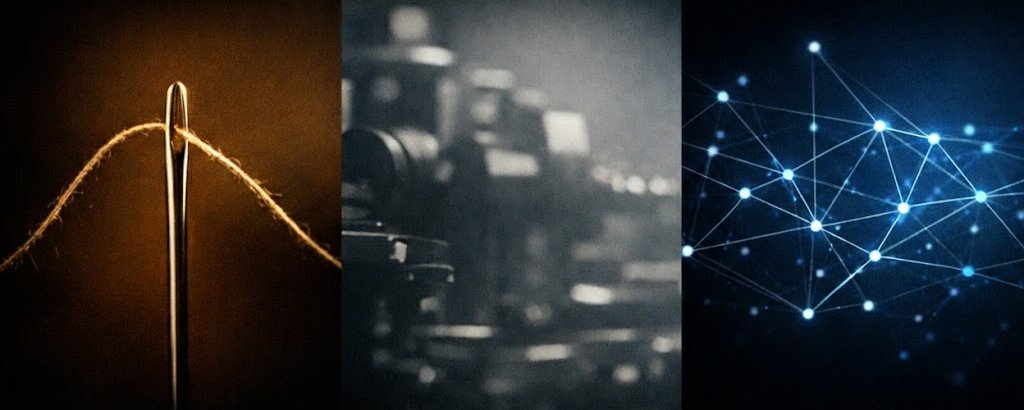
The good old days
There was a time when everything was done by hand. Before electric machinery, before factories scaled, clothes were sewn manually. Ironically, early machines were more expensive than hand sewing. It took time. The technology had to improve. Economies of scale had to kick in. Only then did machine production become cheaper, faster, and dominant.
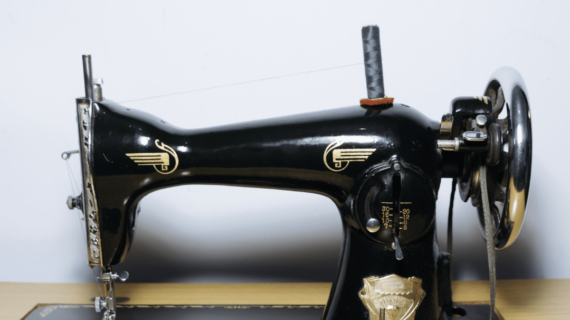
Today, machines build almost everything. Hand sewn clothes still exist, but mostly as novelty. Or luxury. Or extreme niche. Like a Pagani in a world full of Toyota / Honda / BYD.
Coding was once hand sewing
For a very long time, coding was like hand sewing. Humans wrote everything manually. In the 1970s, engineers used Assembly. You practically had to speak in binary. Then came C in the 80s, friendlier but still raw. In the 90s and 2000s, came C++ / Java / C# and then the era of "JavaScript for everything".
Each layer abstracted complexity. Each generation made it easier to build bigger systems. Software got easier to write. That helped. So what we built became far more complex.
It was fun. Lots of us loved it. That’s why software engineering became such a popular profession.
AI did not suddenly appear
AI has been around longer than most people think. I remember in my youth fooling around building a 486 program trying to emulate HAL.
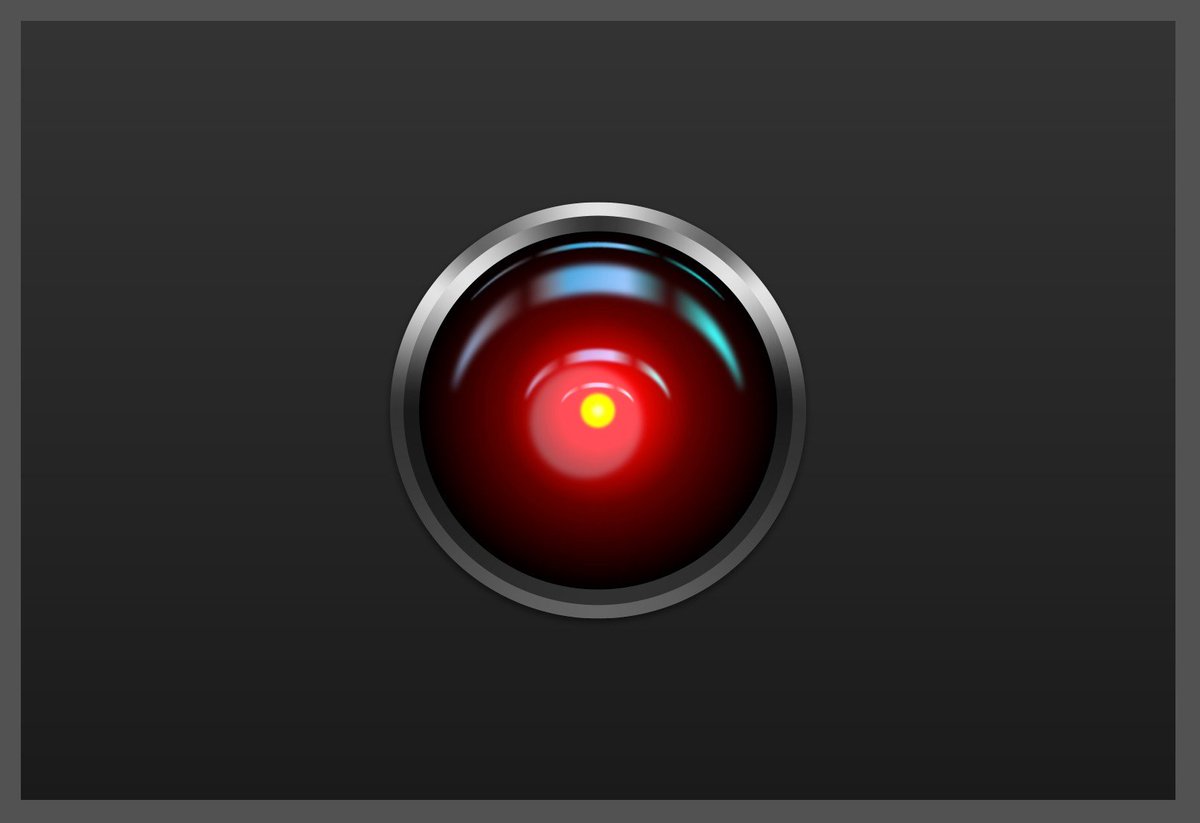
It was terrible (mine was very very terrible), but it planted the idea that a machine could talk back. In college, Machine Learning and Big Data were already a thing. Back then it felt niche. Now it reads like the prologue.
2022 made it mainstream
2022 changed something. ChatGPT became available to the masses. For the first time, mainstream humans felt AI wasn’t just academic research. It was usable. Practical. Very helpful even. I see my non-programmer friends starting to use ChatGPT.
Search behavior started to change. Instead of Googling, people asked. Instead of Stack Overflow, people pasted code into ChatGPT / Gemini.
From assisted coding to vibe coding
In 2023, AI inside coding tools went mainstream. Cursor showed how much heavy lifting could be delegated. Autocomplete on steroids. Refactoring. Explaining code. But humans were still in the driver’s seat. AI assisted. Humans decided.
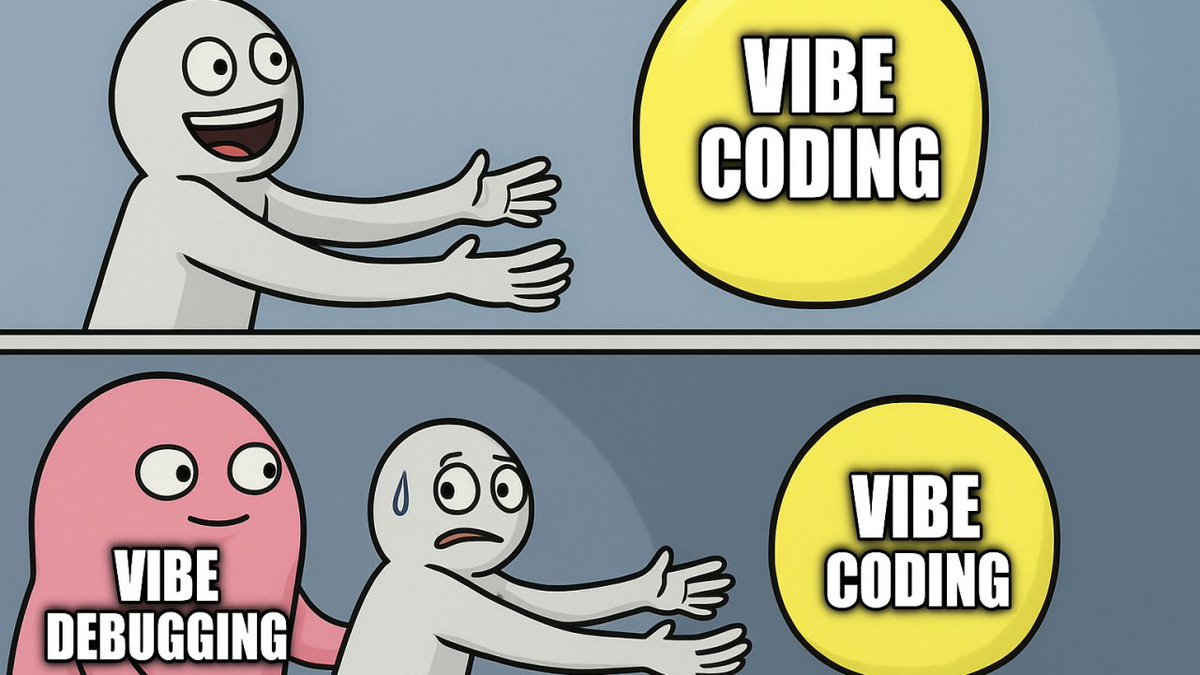
In 2025, “vibe coding” became a thing. You describe. The model builds. Non programmers started shipping real tools using chat. Some companies even started unsubscribing from SaaS because internal teams could build custom tools that matched their workflow.
The abstraction layer moved again.
Two things near CNY
First, OpenClaw. It moved fast, changed names, went viral, and now the founder is joining OpenAI while the project continues with OpenAI support. People are vibe coding through chat apps. WhatsApp / Telegram / Discord. You secure servers, spin up agents, upgrade libraries, all through conversation.
My friend Ron is running his personal army of agents. Peppa Pig, his British financial coordinator. Dr Banner, his health optimizer. Tony Stark, his builder.
Old school "classically trained" software engineers like me are feeling… a bit ancient.
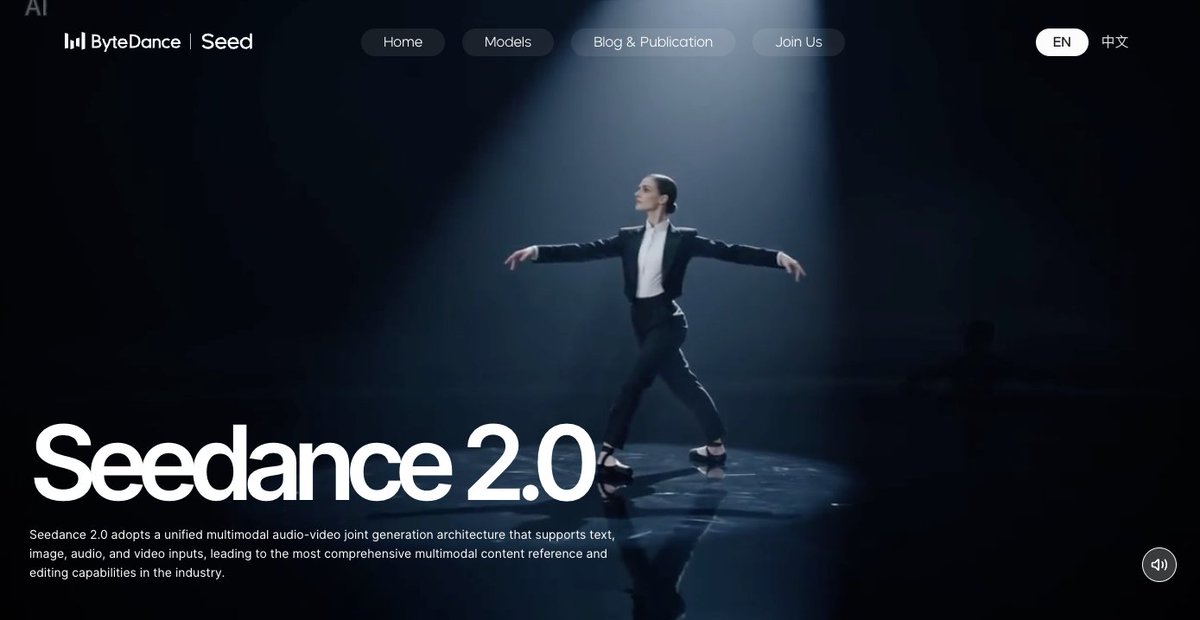
Second, Seedance 2.0 by ByteDance. They are not first in AI video. It’s their second iteration. There is Kling 3.0, Veo 3.1, and Sora 2. But when Seedance 2.0 dropped, it felt like a statement. The quality jumped. Hollywood level cinematic. Hyper realistic visuals. Western IP infringement at scale 😂
If you are a 3D animator, this maybe feels like what 2023 did for programmers.
This is not jargon anymore
“AI is changing everything” used to sound like a buzzword. Now it feels literal. Enterprise level software is still hard. Pixar level animation is still hard. At peak quality, humans still intervene. They refine edges, make judgment calls, manage taste, nuance, intent.
I believe that will remain true. But the human role will shrink. Smaller teams. Bigger output.
What's gonna happen in 2030?
At this moment, making top tier software or animation with minimal humans will still costs a lot in moneys/tokens. Economically, it is not always worth it. Yet.
But give it five years. I suspect most things will be built by AI.
Human written code from scratch. Fully human animated films. Those might become like hand sewn clothes. Rare. Premium. Valued for craftsmanship rather than efficiency.
AI will not eliminate humans. It will reposition us. Just like machinery did.
And somewhere in the future, someone will proudly say, “This app was 100% human coded.”
And it will sound as exotic as saying, “This suit was hand stitched.”
Markets rotate. Technologies abstract. The only edge is adapting before the curve flattens.
Funny how cycles repeat.
Happy new year, almost
Welcome Chinese New Year 2026, the year of the fire horse. Xin nian kuai le, gong xi fa cai.
May y’all get rich. Hang in there crypto bros 🧧🧧